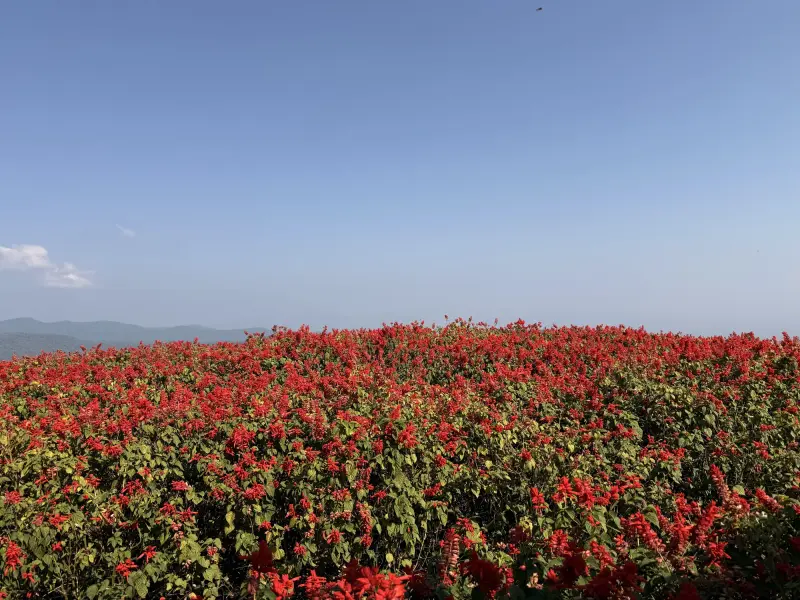
Samoeng Loop Chiang Mai by Scooter
A full-day Chiang Mai mountain loop built around Route 1096, Route 1269, forest viewpoints, and the rhythm of the road.
Last updated June 2026
Why choose this route
Samoeng is the classic Chiang Mai loop because the road itself carries the day. The stops matter, but the real memory is the rhythm: climb, curve, view, pause, repeat. It’s a route for riders who enjoy the physical process of mountain riding and want a day that feels complete from first corner to last.
The riders who enjoy Samoeng most are usually the ones who don’t try to prove anything on it—they just settle into the flow of the 1269 and 1096 loop.
Route Briefing
This is a 100km loop that demands consistency. The road is well-paved but the fatigue of hundreds of curves stacks up by mid-afternoon. A 160cc scooter is the preferred tool for the job, providing the torque needed for the climbs and the mass needed for stable descending. Treat the first half as a warm-up.
Route Snapshot
Fundamental data to help you size up the ride before you start the engine.
One of Chiang Mai's classic mountain loops, built around flowing roads and changing scenery.
A proper full-day mountain ride, though stronger riders can finish it faster.
Best planned as a full-day ride once café stops and viewpoints are included.
Steady curves and long mountain sections; suits riders comfortable on Thai roads.
Ideal for riders who want the road itself to be the highlight of the day.
Cool months give clearer air, while green months give lush scenery.
Adventure is the right minimum for mountain torque and uphill performance.
The road is the main attraction more than any one village or stop.
Hold your line and expect oncoming traffic in the tight mountain sections.
Route Highlights
Scenic Stop
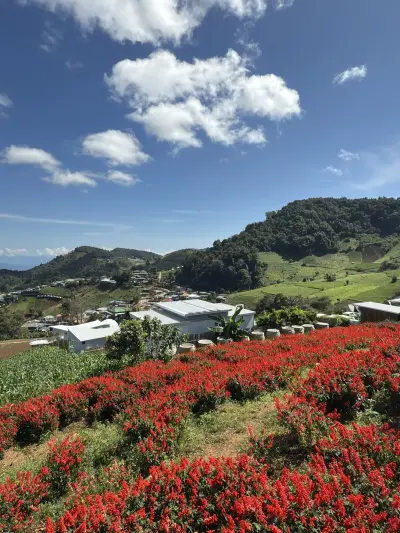
Mon Jam Viewpoint
Wide mountain views and flower terraces. A popular stop that offers some of the best panoramic photos in the Mae Rim valley.
Mountain Stop
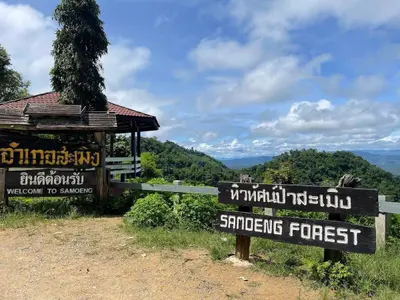
Samoeng Forest Viewpoint
A quiet, high-elevation stop with zero commercial build-up. Just a clear view over the dense forest of the Samoeng loop.

Local Stop
Samoeng Tai Market
A real local commercial center. The best place to see the actual pace of mountain life and grab simple, authentic street food.
Main Destination
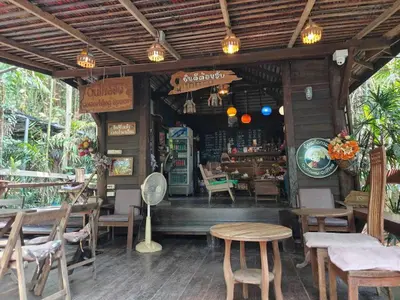
Oui Kaew Coffee
A peaceful garden coffee stop that marks the deeper part of the valley. Excellent for a long reset before the climb home.
Before You Go
- Fuel stop: Fill up at Mae Rim before starting the loop. The 1269 Samoeng loop does not have convenient fuel options mid-route.
- Road surface: The 1269 has steep and occasionally rough corners from Sanpasak to Samoeng. Bumpy surfaces can catch inexperienced riders—watch your speed on those sections.
- Blind corners: Hold your line and expect oncoming traffic on the tighter mountain sections. Gravel on inside of downhill hairpins is a recurring hazard.
- Engine braking: Use engine braking on long descents rather than relying on disc brakes to avoid overheating.
- Wet season caution: If riding in rain (May–Oct), cut corner speed by 40%. Moss growth on shaded corners is a real hazard after rain.
What riders report
Road conditions (RideAsia forum, Feb 2026)
“1269 Sanpasak – Samoeng – delightful road once past the urban spread with a few steep spots that can have rough and bumpy corners to catch out the novice riders.”
— RideAsia Motorcycle Forum, Current Road Conditions thread, Feb 2026.
Route popularity (GT Rider forums, 2024)
“North Thailand’s best 100 kms loop & ride. Many Chiang Mai riders do it frequently for a quick blast to get some fresh air & clean out the cobwebs.”
— GT Rider, The Samoeng Loop - Pottering around, gt-rider.com (accessed 2026-04-27)
Post-flood status (Facebook, Apr 2026)
Recent posts in Chiang Mai rider Facebook groups (Apr 2026) mention debris on some Samoeng-area roads following the August 2025 flooding. The main 1269 Samoeng Loop itself is reported open and heavily trafficked — but riders should check for updated local conditions before departing, especially in the weeks immediately after heavy rain.
Segment-by-Segment
Chiang Mai → Mae Rim (Route 107 / 1269)
Urban spread gives way to open road. The 1269 begins in earnest past the city fringe. Straightforward start—use this to warm up and settle into the loop rhythm. Main hazards: morning market traffic and early truck activity on the highway.
Mae Rim → Mon Jam → Samoeng (1269)
The heart of the loop. The road climbs and curves consistently. Steep sections with occasional rough surfaces on the outer sections. Gravel on the inside of downhill hairpins is the main hazard to watch for. Views open up around Mon Jam—this is the reward section.
Samoeng → Mae Rim (Return via Hang Dong)
The return leg often feels longer than expected. Traffic mix changes and fatigue stacks up by mid-afternoon. Keep your pace consistent and resist the urge to rush the descents. Engine braking, not disc brakes, is your tool for long downhill sections.
Local knowledge & road feel
The Rhythm Factor
The Samoeng Loop is best approached as a consistency challenge rather than a speed challenge. Rider reports from GT Rider forum (2024-2025) describe the route as “North Thailand’s best 100 kms loop” with generally good road surfaces punctuated by occasional rough sections — steep spots with bumpy corners on the outer sections of the 1269 that can catch riders who are not familiar with the road.
Rushing the first half of the loop tends to cost riders in the second half, particularly on the Hang Dong return leg where fatigue stacks up and the traffic mix changes.
Technical Elevation
The loop’s higher sections (approaching Samoeng on 1269) require good lane discipline. Rider reports from the RideAsia forum (Feb 2026) note steep and occasionally rough sections on the road from Sanpasak to Samoeng — corners with bumpy surfaces that have caught out less experienced riders.
Gravel on the inside of downhill hairpins is a recurring hazard warning in recent rider forum reports (Facebook groups, Apr 2026). Use engine braking on long descents rather than relying on disc brakes to avoid overheating — a point confirmed by experienced riders on GT Rider forums.
Seasonal Nuance
In the wet season (May-Oct), the Samoeng road becomes significantly more demanding. Moss growth on shaded corners and unexpected surface runoff after downpours are real factors. If you’re riding in rain, cut your corner speed by 40% and stay relaxed on the bars.Plan the Samoeng Loop as a day trip
Use Samoeng as a one-anchor day: ride out early, pause properly at one viewpoint or cafe, then protect the final third of the loop from fatigue. The loop is only about 100km, but the curve count makes it feel longer than the map suggests.
- 07:00-08:00: leave Chiang Mai before heat and tour traffic build.
- Morning: ride the Mae Rim side calmly and stop at Mon Jam or Samoeng Forest Viewpoint.
- Midday: take one real food or coffee break around Samoeng rather than grazing through the day.
- Afternoon: keep the return conservative; blind corners and tired hands are the main risk.
If you want more stops than this, split them into optional choices. Samoeng works best when the ride rhythm stays relaxed.
ROUTE FILE
Download GPX waypoints
Use this GPX as a planning aid alongside the Google Maps route and on-page notes. Verify the track before riding; road conditions and closures can change.
Download GPXDAY TRIP PLANNING
Comparing ride days?
See how this route fits alongside other Chiang Mai scooter day trips before you decide what belongs in the same day.
Compare Chiang Mai scooter day tripsBikago Chiang Mai
A curated synthesis of public information about Bikago Chiang Mai. 5.0/5 across 60 Chiang Mai Google reviews, published motorbike-damage insurance with a USD 95 excess, 24/7 English-speaking helpdesk, roadside assistance, true online booking, and no passport requirement. The main caveat is premium pricing and a smaller local review count than long-established local shops.
91.7 / 100
By Kai Mercer · Updated June 2026